
Eye Strain: What It Is and How to Find Relief
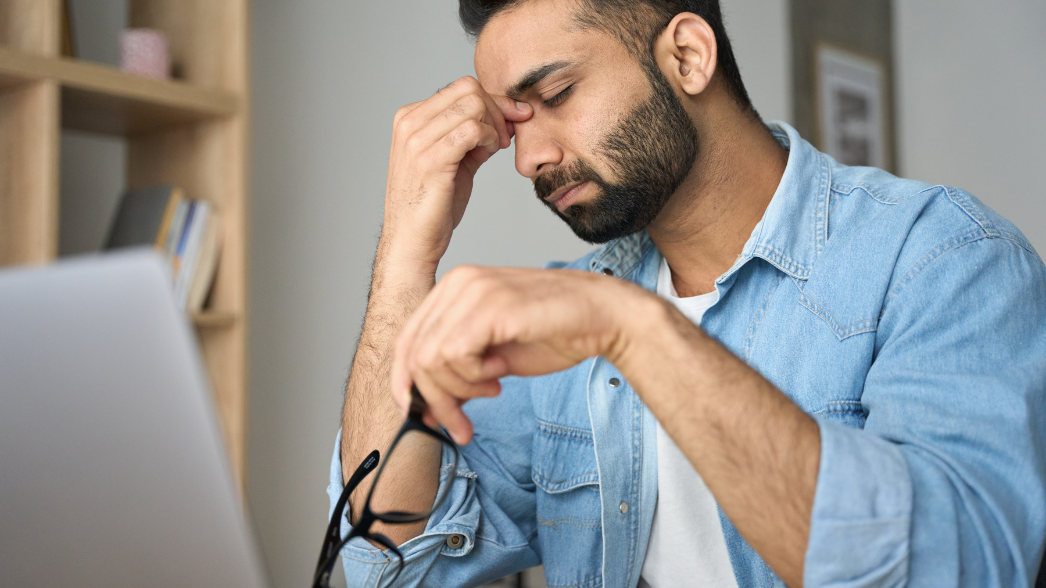
How long do you spend doing close-up activities like looking at a phone or computer, reading, knitting, or watching TV? One hour? A few hours? More?
While spending time doing activities that require your eyes to look at things close-up, have you found yourself experiencing dry eyes, headaches, or blurry vision? If so, you may be experiencing eye strain or eye fatigue.
Eye strain can be caused by many factors, all of which cause your eyes to feel uncomfortable. The good news: there are steps you can take with the help of your eye doctor to find relief.
What Is Eye Strain?
Eye strain occurs after intense use of your eyes. Straining your eyes or doing activities that make them work harder can all lead to eye fatigue, ultimately causing eye strain symptoms.
Eye strain symptoms can vary by person as they are based, in part, on the underlying cause. However, common symptoms of eye strain include:
- Blurred vision
- Sore eyes
- Headaches
- Light sensitivity
- Dry or watery eyes
- Red eyes
- Eye twitching
If you are experiencing eye strain, you may be wondering, “how long will eye strain last?” The good news is that these symptoms usually resolve on their own once your eyes have had a break. However, talk with your eye doctor if symptoms persist or you experience them frequently, as addressing the underlying cause can help you find long-term relief.
What Causes Eye Strain?
There are many different causes of eye strain, such as:
- Aging. As we age, it can be harder for our eyes to focus thanks to a condition called presbyopia. Because it takes more effort to focus your eyes, they can become strained more often.
- Prolonged focusing. Looking at screens, driving, and even reading for long periods of time can all lead to eye strain as your eyes may be looking at more glare or reflections than usual. You also may not be blinking as often as usual when focusing on tasks, which can dry out your eyes and lead to eye strain.
- Environmental factors. This can include your work environment, such as the glare from your computer screen, and even sitting below an air vent, which can dry out your eyes quickly, leading to eye strain. Environments that are too bright or too dark can also tire out your eyes.
- Wearing the wrong prescription. If your glasses or contact lens prescription is incorrect, it can lead to blurry vision or your eyes working harder to see well—ultimately causing eye strain and fatigue.
How to Diagnose Eye Strain
If you are experiencing eyestrain symptoms, contact your eye doctor. During your eye exam, they can identify signs of eye strain (and other conditions). Your eye doctor may ask questions about your lifestyle and family history to help determine the cause of your eye strain.
How to Relieve Eye Strain
There are many ways you can try to relieve eye strain symptoms, such as resting your eyes and addressing the root cause of your eyestrain.
Here are some tips to help you find relief from eye strain symptoms:
- Keep your eyes moist. Make a conscious effort to blink more often when focusing on a task to help keep moisture on the surface of your eyes. You can also talk with your eye doctor about using artificial tears or another eye drop to help refresh your eyes when they become dry.
- Take a break. Make it a habit to take regular breaks when focusing on tasks. If needed, set an alarm to remind yourself to take a break. Get up, stretch, and give your eyes a rest.
- Adjust your environment. You can make changes to your environment to help find relief from symptoms of eye strain. For example, if air is blowing on you, move out of the path of its flow. Or adjust your computer screens to reduce brightness and find relief.
- Reduce glare. Consider using screen filters to reduce the amount of glare coming off your screens. You can also explore eyewear options like anti-glare lens coatings, computer glasses, or prescription or non-prescription blue light glasses. Your eye doctor can help determine what eyewear and/or eyewear enhancements may help provide relief for your eyes.
- Ensure you have the right prescription. Annual eye exams can help ensure you see your best. Your eye doctor can detect changes in your prescription, which, in addition to helping you see well, also helps prevent eye strain.
A Look at Blue Light and Digital Eye Strain
There’s a lot of talk about blue light, whether it can harm your eyes, and its connection to digital eye strain. Let’s dive into what you need to know about these topics, including the difference between digital eye strain and eye strain.
What’s the Difference Between Digital Eye Strain and Eye Strain?
Digital eye strain and eye strain are often used interchangeably and have many of the same symptoms. So, what’s the difference between the two? The answer: the cause of the eye strain.
Digital eye strain refers specifically to eyestrain symptoms that are linked to prolonged use of digital devices like computers, phones, tablets, or e-readers. Eye strain refers to symptoms caused by more than just digital device use.
Blue Light: What Is It and Is It Dangerous for Our Eyes?
Simply put, blue light is a wavelength of light emitted from the sun and artificial sources like fluorescent and LED lights and electronic screens.
With people spending more and more time looking at screens, you may be wondering, “should I be worried about blue light exposure?”
Not really. There is no scientific evidence that blue light can damage the eye. In fact, some blue light exposure is even good for us, as blue light can help keep us alert and regulate our natural sleep and wake cycle.
However, looking at screens, which emit blue light, for long periods, can cause eye strain (or, more specifically, digital eye strain), which can cause discomfort, but not permanent damage.
Also, keep in mind that the sun is the largest source of blue light. So, protecting your eyes against the sun, including the blue light and UV rays it omits, is essential.
Do Blue Light Glasses Work?
Blue light glasses and computer glasses are popular options for those who spend a lot of time looking at screens. While some people may find that they help provide a more comfortable viewing experience, others may not find them helpful.
If you spend a lot of time looking at screens and are experiencing eye strain symptoms, talk with your eye doctor about your options. They can help you determine if blue light glasses or another type of eyewear is right for you.
Consult the Experts
Your annual eye exam is the perfect time to not only check your vision needs and your eyes’ health, it’s also the perfect time to talk with your doctor about day-to-day concerns, like eye strain symptoms. They can help you identify the cause of your eye strain and determine the best options to help you find relief from your symptoms.
Article provided by VSP. Information received through VSP Vision Care channels is for informational purposes only and does not constitute medical advice, medical recommendations, diagnosis, or treatment. Always seek the advice of your eye doctor, physician, or other qualified health provider with any questions you may have regarding a medical condition.